
Street Art
Street Art
Notre-Dame de Paris: A Manufactured Middle Ages
Jean-Marie Hosatte
Roof of Notre-Dame and statues of the apostles. God was driven from Viollet- le-Duc’s restored Notre-Dame. The new master of the house was the architect himself. He is represented in the guise of
Saint Thomas who, with his back turned to Paris, contemplates his work guarded by grimacing chimeras. Photo by the author.
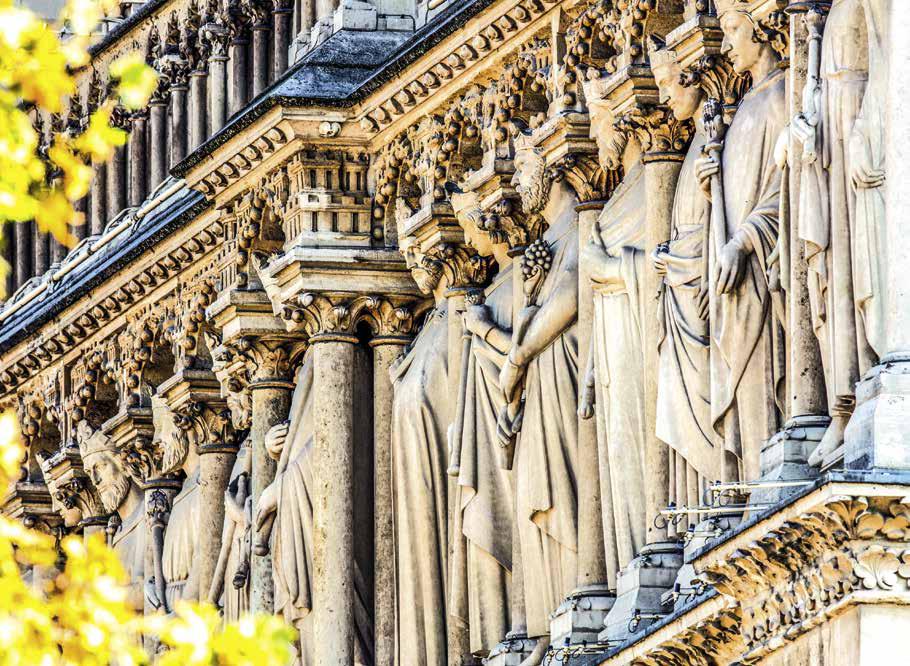
Fig. 1. Gallery of the Kings of Judah and Israel. In the eyes of the “sans-culottes” (revolutionaries) Notre-Dame embodied, as much as the Bastille, the people’s oppression by the king, the pope, the nobility and the clergy. The cathedral was not demolished, but desecrated. It was made into a storehouse for wine and food for the revolutionary armies.
Photo by the author.
Notre-Dame de Paris: A Manufactured Middle Ages
France would proclaim “the nation rather than God and the people rather than the King” (Colosimo 2019). The Revolution was hostile to Notre-Dame de Paris for two reasons. At a time when the people’s fury was flaring up, the cathedral had embodied the omnipotence of the Church and royal absolutism for six centuries. Work to demolish the Bastille began on 15 July 1789, while Notre-Dame was condemned to a slow and shameful death. On 10 August 1792 the Legislative Assembly decreed: “The sacred principles of Liberty and Equality do not allow for monuments erected to pride, prejudice and tyranny remaining in the sight of the French people any longer.”1 Sculptures representing the Kings of Judah and Israel were brought down from the facade of Notre-Dame (figs 1 and 2). Statues of saints and religious paintings were attacked with hammers. The spire was destroyed. A few weeks later the following words were smeared on the pediment of the cathedral:
People of France,
Reason enlightens you,
Come and worship it in this place
Where, under the veil of mystery,
The priests deceived your forefathers.
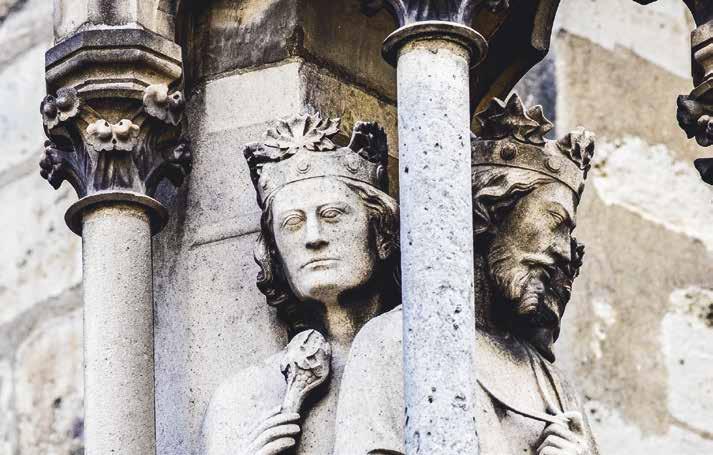
Fig. 2. Detail of figure 1. Photo by the author.
Fig. 3. Christ (detail of the central portal of the western facade). Robespierre wanted the people to continue to believe in salvation and redemption. This hope was a political tool he couldn’t afford to be without. All those who wanted to dechristianize France were sent to the guillotine. Photo by the author.
But for Robespierre atheism was a dangerous aristocratic fad. He was against the idea of people no longer believing in Heaven and renouncing salvation in the Hereafter (fig. 3).
Robespierre the Incorruptible threatened: “There are men ... who, under the pretext of destroying superstition, want to turn atheism itself into a kind of religion. ... But any public figure or legislator adopting such a system would be a hundred times more foolish.” The Assembly members who preached a little too insistently for the “dechristianization of France” were all sent to the guillotine.
This rejection of state atheism saved Notre-Dame. In 1794 Abbé Grégoire could request, without fear of climbing the scaffold, that strict laws be passed to put an end to the ransacking of “national objects” “which, by belonging to nobody belong to everyone”. The Revolution would pride itself on protecting castles, churches and cathedrals because if “barbarians and slaves hate the sciences and destroy monuments to the arts, free men love and maintain them”.
This new idea of “national heritage” saved Notre-Dame (fig. 4). But centuries of neglect as well as revolutionary upheavals had reduced it to a ruin in the heart of Paris. The people hated this sad heap of blackened
stones (fig. 5).
In July 1831 Parisian revolutionaries attacked the cathedral. Prosper Mérimée wrote to Stendhal to tell him about the sacking of the archdiocese attached to the cathedral: “You missed a fantastic spectacle. ... You’ve never seen anything funnier than this procession of cobblers and roughnecks of all descriptions, in chasubles, mitres, etc. ... muttering prayers and sprinkling the audience with holy water drawn from chamber pots. The National Guard stood on the sidelines and did nothing to stop proceedings.”
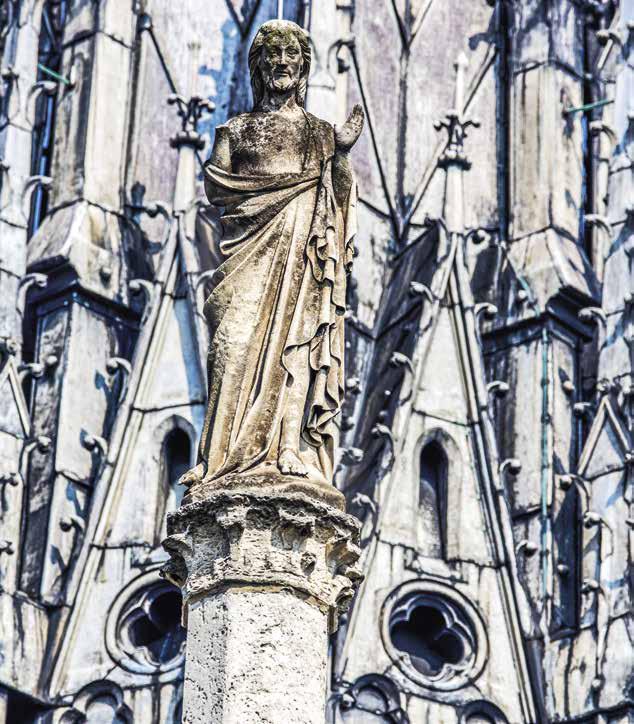
Fig. 4. Worn statue. The passage of time and the Revolution took their toll on Notre-Dame. Concerns about its preservation gave rise to the idea of national heritage in France.
Photo by the author.
This assault on the cathedral would be the last. A few weeks before the riot Victor Hugo published Notre-Dame de Paris (famous in English as The Hunchback of Notre-Dame). His novel was a dazzling success. Hugo was a man of the Right and, as such, fiercely hostile to the convictions of the progressive camp which believed in destroying monuments of the past, regarded as symbols of dark times and their violence. But Victor Hugo railed with equal passion against the ambitions of his own party, which wanted to make the restoration of Notre-Dame the first step in the Catholic “reconquest” of France. He preached for reconciliation between the two camps. He dreamt that “the new France would come to the aid of the old” because Gothic churches were as much the “houses of God” as the “ruins of France”. The publication of Notre-Dame de Paris sent shock waves through France (fig. 6). The now rediscovered cathedral was revered once more.
Yet ten years after the publication of Hugo’s novel, Eugène Viollet-le-Duc described Notre-Dame as a “silent corpse” rotting above a labyrinth of slums and stinking alleys.
Viollet-le-Duc and his colleague Jean-Baptiste-Antoine Lassus were convinced that Notre-Dame could be brought back to life. The two young architects had the support of Prosper Mérimée, inspector general of historic monuments. The three men shared a romantic passion for the Parisian cathedral. Together they denounced the obscurantism of the clergy and intended to make their point of view heard, in that the restoration of Notre-Dame should be the exclusive responsibility of the state. The clergy should no longer have any say in the matter.
If they were entrusted with Notre-Dame’s restoration, Viollet-le-Duc and Lassus vowed to show humility before the cathedral’s fabulous beauty.
Fig. 5. Notre-Dame in black. At the beginning of the 19th century the cathedral stood like a silent corpse above the poorest areas of Paris. In 1831 revolutionaries sacked Notre-Dame for the last time; it no longer held any sacred value for them.
Photo by the author.
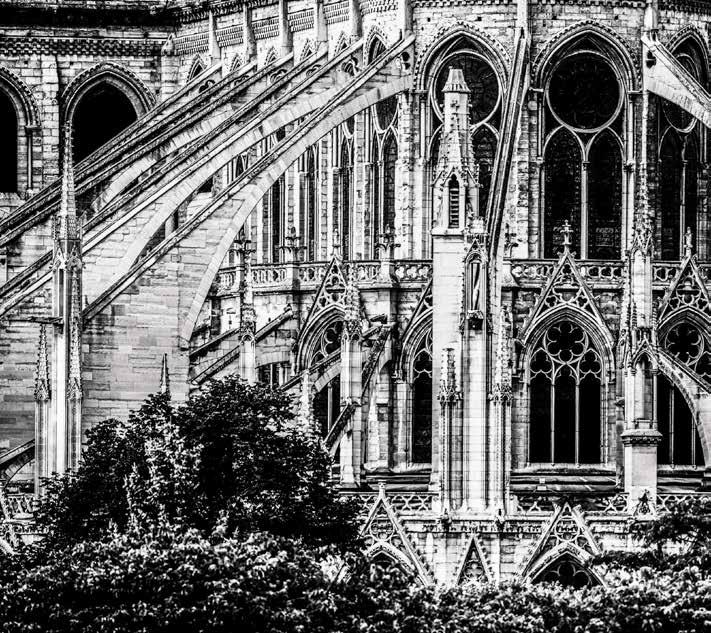
Fig. 6. Angel and demon confront one another. In writing Notre- Dame de Paris, Victor Hugo made the cathedral the fulcrum of French national feeling in the 19th century. In the shadow of its towers and wooden structures, good and evil, honour and deceit, beauty and ugliness clash and sometimes merge.
Photo by the author.
In his proposal, Viollet-le-Duc stated: “The artist must erase himself entirely, forget his tastes, his instincts, in order to study the subject at hand, to find and follow the thought process which informed the execution of the work he wants to restore; because it is not a question, in this case, of making art, but of respecting the art of a bygone era. ... It is by no means our intention to finish off such a remarkably beautiful work – that is a pretence, let’s be clear, of which we have no understanding.” By taking the oath to “save the body without killing the soul”, Viollet-le-Duc and Lassus gained the support of Victor Hugo while he continued to rant against restorers of old monuments, those “plaster spoilers”, victims of “fashions that have done more harm than revolutions”.
In 1845 the restoration of Notre-Dame finally began. The work would last twenty years. The spire destroyed in 1792 was rebuilt, the Gallery of the Kings of Judah was once again occupied by statues, produced by master sculptor Adolphe-Victor Geoffroy-Dechaume. Stones that had come down were reset in the walls, which were cleaned with the utmost care. Notre-Dame, poet Huysmans lamented, “was gradually ridding itself of its patina of prayers, its rust and wax, the residue of incense”.
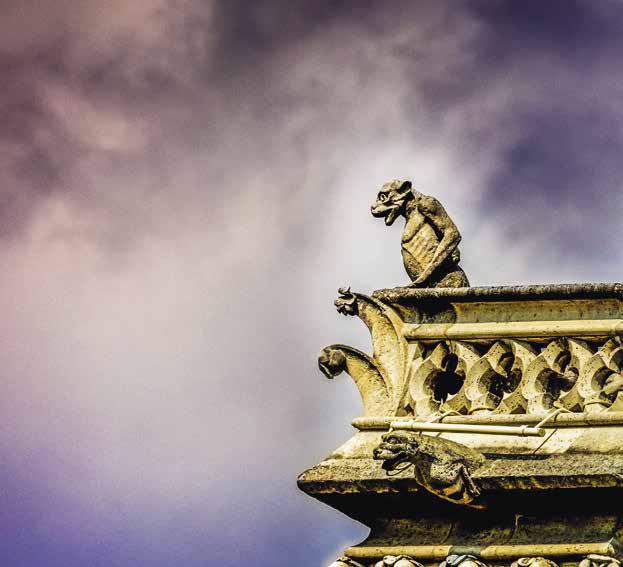
Fig. 7. The Devil presided over Europe. He was omnipresent on theatre stages, in novels and in poems. He clung to the facades of buildings. People no longer hid their adulation of him. Viollet-le-Duc would populate the walls, towers and balconies of Notre-Dame with the infernal creatures of his imagination.
Photo by the author.
Lassus, who had always claimed to be inspired by the spirit of the medieval Christian builders, died in 1857. Viollet-le-Duc, a “fierce layman”, was now free to restore Notre-Dame as he saw fit. He would turn it into a mausoleum dedicated to the ideal Gothic style, alleged to be that of the thirteenth century. But that architecture had never existed. Viollet-le-Duc would invent it. Under his charge, the restoration site would become “a medieval production workshop”. Commitments made in the 1843 proposal to reconcile Mérimée and Victor Hugo were forgotten. Viollet-le-Duc invented and designed his own version of the Middle Ages in which he would clothe Notre-Dame.
Thus the architect would populate the cathedral with a demonic throng that had little in common with the devils and monsters rendered by medieval sculptors.
In the nineteenth century the Devil held sway over Europe. Lucifer was the symbol of a freedom constrained by the true forces of darkness, the Church and its clergy. As a young man Viollet-le-Duc devoured Charles Nodier’s Infernalia. In these tales “of ghosts, demons and vampires” the frightful creatures displayed a power that the forces of religion had difficulty containing (fig. 7). At the same time the literary movement La Jeune France met with great public success while presenting itself as a sect of Devil worshippers.
In 1834 Théophile Gautier lamented in Le Figaro: “Today you cannot read a novel, listen to a play or hear a ballad, without your mind being filled with mystical words, or the names of angels, devils or mystics.”
Two years into the Notre-Dame restoration project, Viollet-le-Duc began designing hundreds of gargoyles which he intended to attach to the facades of the cathedral. The architect had no thirteenth-century examples to guide his creative work. In the Enlightenment the gargoyles carved during the cathedral’s construction were removed because, in their terribly dilapidated state, they were felt to embody “medieval irrationality”. By designing his own gargoyles, whose production he entrusted to sculptors’ workshops (fig. 8), Viollet-le-Duc was only achieving physical renditions of the grotesque and delirious figments of medieval imagination that pervaded Romantic Europe in the nineteenth century (fig. 9).
Fig. 8. Gargoyles. In the Age of the Enlightenment the gargoyles of Notre-Dame were taken down because they embodied a medieval irrationality that could not be reconciled with the new cult of Reason. Photo by the author.
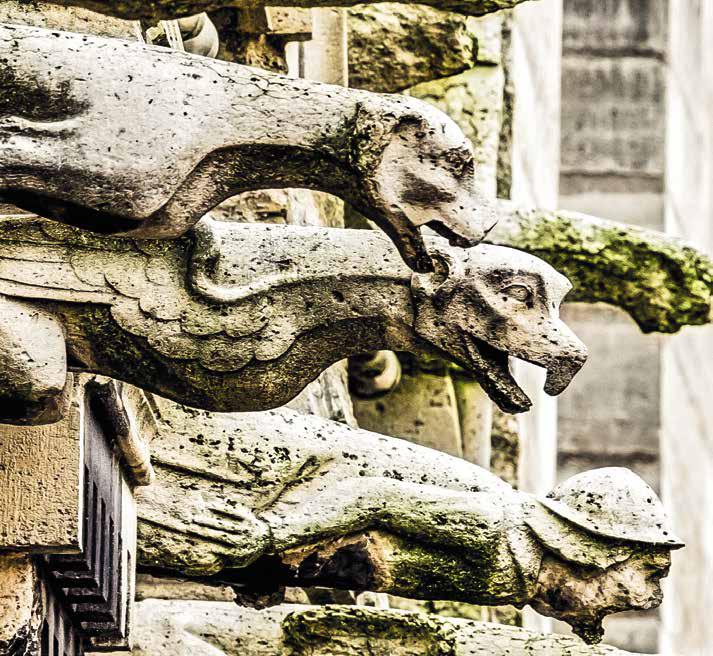
Fig. 9. Gargoyles. The physiognomy and posture of the gargoyles created by Viollet-le-Duc took their inspiration from Hugo’s description of the monsters, thugs and thieves that inhabited Notre-Dame de Paris. Photo by the author.
These stone creatures, designed to cling to the facades of Notre-Dame for centuries, owe much to Hugo. In creating them Viollet-le-Duc was inspired by the characters and visual universe conjured up by the novelist. The fifty-four fanciful creatures he installed on Notre-Dame’s exterior walls all bear a resemblance to Quasimodo with his “tetrahedron nose” springing up between a “horseshoe mouth” and a “little left eye hidden by a bushy red eyebrow, while the right eye disappeared completely under an enormous wart”. Quasimodo with his “crooked teeth, chipped here and there”, his “calloused lip on which one of the teeth encroached like the tusk of an elephant”. This frightening face displayed a “mixture of mischief, astonishment and sadness”. “Let’s dream, if we may, of this vision!”, joked Hugo.
Viollet-le-Duc rose to the challenge. Paris succumbed, showing no resistance to the charm of the devilish new gargoyles that were so well attuned to the spirit of the times that, a few years after their installation, you would swear that they had been gesticulating in the skies of Paris for centuries.
The visual impact of Viollet-le-Duc’s creations was so powerful that it robbed Notre-Dame of its traditional role. The cathedral was no longer simply a place of worship; the architect had turned it into a popular attraction. Its success came all the more quickly because the authentic remains of medieval Paris were destroyed at same time that the stone chimeras of the cathedral become an emblematic part of the Parisian landscape. Under the gaze of their eyes, their horns, their grimaces and their laughter, a huge building site opened up. While Viollet-le-Duc “manufactured the medieval” (fig. 10) in his sketchbooks, Baron Haussmann razed to the ground the overcrowded and unsanitary areas over which the cathedral had presided for six centuries. These huge building works liberated a restored Notre-Dame from being a mere cloak of human misery.
The cathedral became a sort of medieval sanctuary, the preserve of an imagined Middle Ages, manufactured and assembled by Viollet-le-Duc from scratch. The architect became the true master of the place. He cuts a proud figure, presented in the guise of Saint Thomas looking up at the spire of Notre-Dame, which he rebuilt (title pages).
With the banishment of those revolutionaries who besieged it, lived and died before it, venerated it as passionately as they defiled it, Notre-Dame became an immense, silent altar of repose. Fifty years after the start of the restoration project, Félicien Champsaur published Lulu, roman clownesque whose pages were full of the whispered mutterings of the chimeras of Notre-Dame, condemned to eternal resigned contemplation of Haussmannian Paris, brand new, sterile, busy and grasping. Thus, a “monk with the hilarious grin of a faun” despaired “of seeing any more kings and emperors, rituals and processions. Henceforth, the knights and their ladies would no longer parade about.” Another chimera went on: “The Church today consists of nothing but children, spoiled old people, hypocrites.”
A horned monkey concluded with a sneer, “Money is king, money is god. Hell is the source of money.”
In fact nothing could be more lucrative than the medieval and diabolical phantasmagoria of Viollet-le-Duc’s imagination.
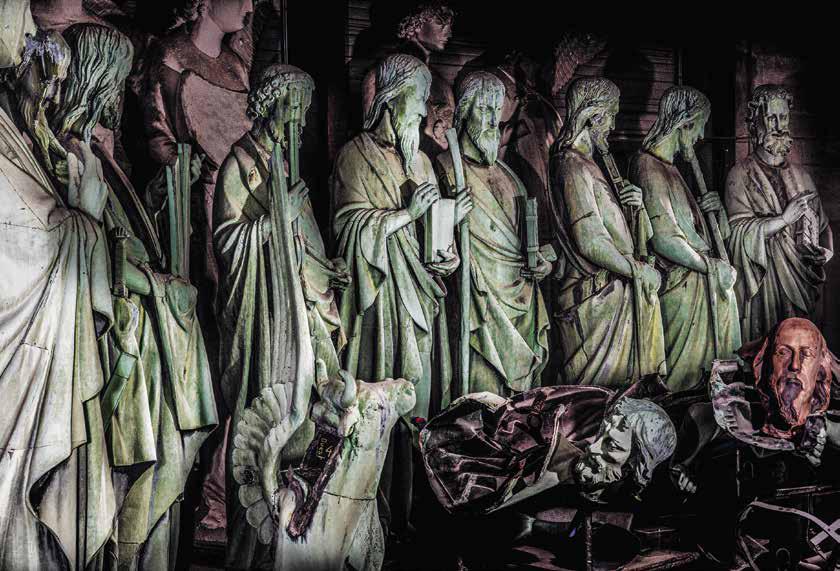
Fig. 10. A medieval production line. In the vaults of Notre- Dame the sculpture workshops became “medieval factories” whose products were all conjured up by Viollet-le-Duc. Photo by the author.
Fig. 11. The Last Judgement. The mass of gargoyles Viollet-le-Duc attached to Notre- Dame’s roof and facades obscured the message that those who built the cathedral wanted to convey: Humanity will be judged. Photo by the author.
In 2018 14 million tourists visited Notre-Dame, and their eyes were drawn to the magnificent and grotesque works of Viollet-le-Duc. The chimeras, straight out of Viollet-le-Duc’s “secular intelligence”, stole the show from the saints and sinners depicted on the doors down below through which the crowds enter, often without so much as a glance. The power radiating from the work of Viollet-le-Duc has obscured the meaning of the easily visible Christian scatological message, majestically displayed on the central door: there is justice and there is a judge, and on the Day of Judgement God will return to judge both the living and the dead (fig. 11).
Two years after the fire that destroyed the spire and roof of Notre-Dame, this confusion of the senses still prevents us from deciding what form the reconstructed cathedral should take. Will we turn it into a temple to nature? The question has been vigorously debated. Are we going to invent another, new Middle Ages, perhaps different to that of Viollet-le-Duc, to be exhibited to the millions of tourists longing to come back to visit the cathedral of Quasimodo, Frollo and Esmeralda? Is the Christian faith (fig. 12) still worthy of Notre-Dame, powerful and proud, even though Pope Francis himself said in late 2019 when addressing the Curia: “Christendom no longer exists! Today we are no longer the only ones who create culture, nor are we in the forefront of those most listened to.”
Can the majesty of Notre-Dame be reconciled with such humility?
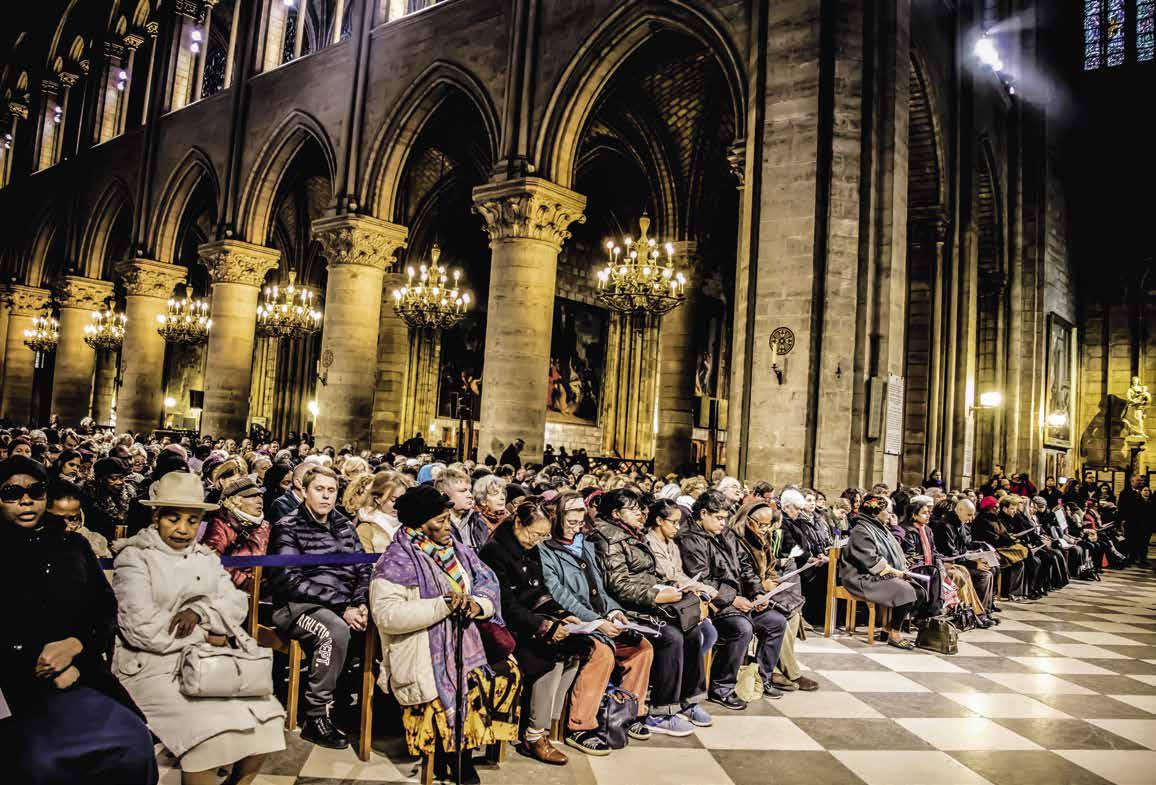
Fig. 12. The congregation at prayer. Is the faith of Catholics still worthy of Notre-Dame? As the Pope calls for humility, repentance and modesty in the expression of faith, have Notre-Dame’s towers become too lofty?
Photo by the author.
Notes
1. The Abbé Grégoire: Report on the Destruction Wrought by Vandalism and the Means to Suppress It, 31 August 1794, National Assembly, “Great Parliamentary Speeches”.
Bibliography
CAMILLE Michael, 2011. Les gargouilles de Notre-Dame. Paris: Alma Editeur.
COLOSIMO Jean-François, 2019. La religion française. Paris: Éditions
du Cerf.
PACE Valentino et al., 2007. Le jugement dernier: Entre Orient et Occident. Paris: Éditions du Cerf.
PAPARONI Demetrio, 2019. Infernal. Histoire illustrée du diable. Cernunnos Editions.
POISSON Georges and Olivier POISSON, 2014. Eugène Viollet-le-Duc: 1814-1879. Paris: Éditions A&J Picard.
TEK Marie-Amélie and Pierre TÉQUI, 2020. Notre-Dame à cœur ouvert. Paris: Pierre Téqui Editeur.

Biography
For thirty-five years Jean-Marie Hosatte has produced a large number of reports on every continent and every subject, shifting with ease from war photography to portraits of women and images of artworks. His countless articles have appeared in all major publications, and he has produced numerous documentaries for television. Jean-Marie Hosatte is now a member of the prestigious Agence Leemage Bridgeman, world leader in images and videos on art, culture and history.