

Groenland : le Nouveau Far West

Notre-Dame de Paris : A Manufactured Middle Ages
Groenland : le Nouveau Far West
Notre-Dame de Paris : A Manufactured Middle Ages
Portrait of a woman. Multicolour collage.
Le Cours Julien in Marseille. Photo by the author.
Urban art is as old as our cities.
Walls have always been the media
of rebels, poets and merchants.
Contemporary street art shakes up
the relationship that urbanites,
both the most privileged and the
outcasts, maintain with works of
art. Creativity is no longer the
expression of an elite exhibiting
itself to another elite, in places
dedicated to cultural and
commercial exchange, from which
the vast majority of the public is
excluded. Street art exposes the
urban masses to its humour, its
revolt, and often, its incredible
virtuosity. The beholder of the work
is no longer in front of it but rather
in it and part of it.
Act fast. Faster. As if the temptation to take your time could empty the work of its substance.
A corner of a wall splashed with sunlight and shadows has brought to a halt Swing Forain’s aimless wandering on a street in the Paris neighbourhood of Marseille. In the graffiti artist’s backpack, the clinking of aerosol paint cans knocking against one another has stopped.
The artist assesses simultaneously the final execution of his tag and the risk he is taking painting on a wall in broad daylight. The law stipulates a fine of 1,500 to 30,000 euros and a two-year prison sentence for people found guilty of defacing public property. A toger’s talent, virtuosity, and the force and originality of the message carried by their graffiti are not accepted as extenuating circumstances. The law does not believe that talent absolves anyone of the offence of unauthorized use of public space.
Passers-by watch the graffiti artist line up his aerosol cans. In an instant, a whole arsenal of colours appears before their eyes. Meagre and formidable weapons in the crime of urban art. People make comments, call out to him, with kindness and curiosity. Already, the first green streaks mingle with the ochre of the old wall. Nothing more can be heard but the whistle of the spurting paint. No one protests or threatens to call the police. On the contrary, a few bystanders offer to serve as lookouts, to keep him from getting caught in the act.
Fig. 1. Urban artists, formerly considered a curse, are now courted by business people. Store windows are turned into creative spaces.
Photo by the author.
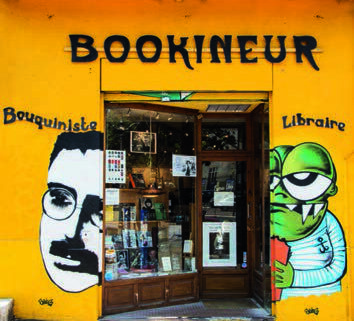
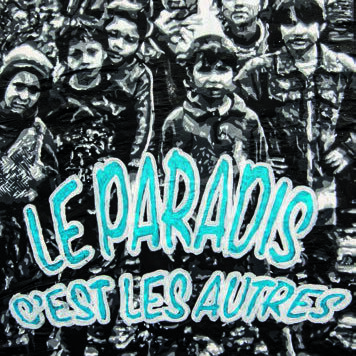
Fig. 2. Collage, Panier neighbourhood, Marseille. Summer 2015. The message sent by this collage takes on its full meaning in this Marseille neighbourhood undergoing an accelerated process of gentrification.
Photo by the author.
Street artists, as distinguished from taggers, are obsessed with achieving mastery over their creative gesture. Swing Forain, an artist originally from the impoverished outskirts of Paris, tirelessly practises his scales before “laying down” one of his works on a wall.
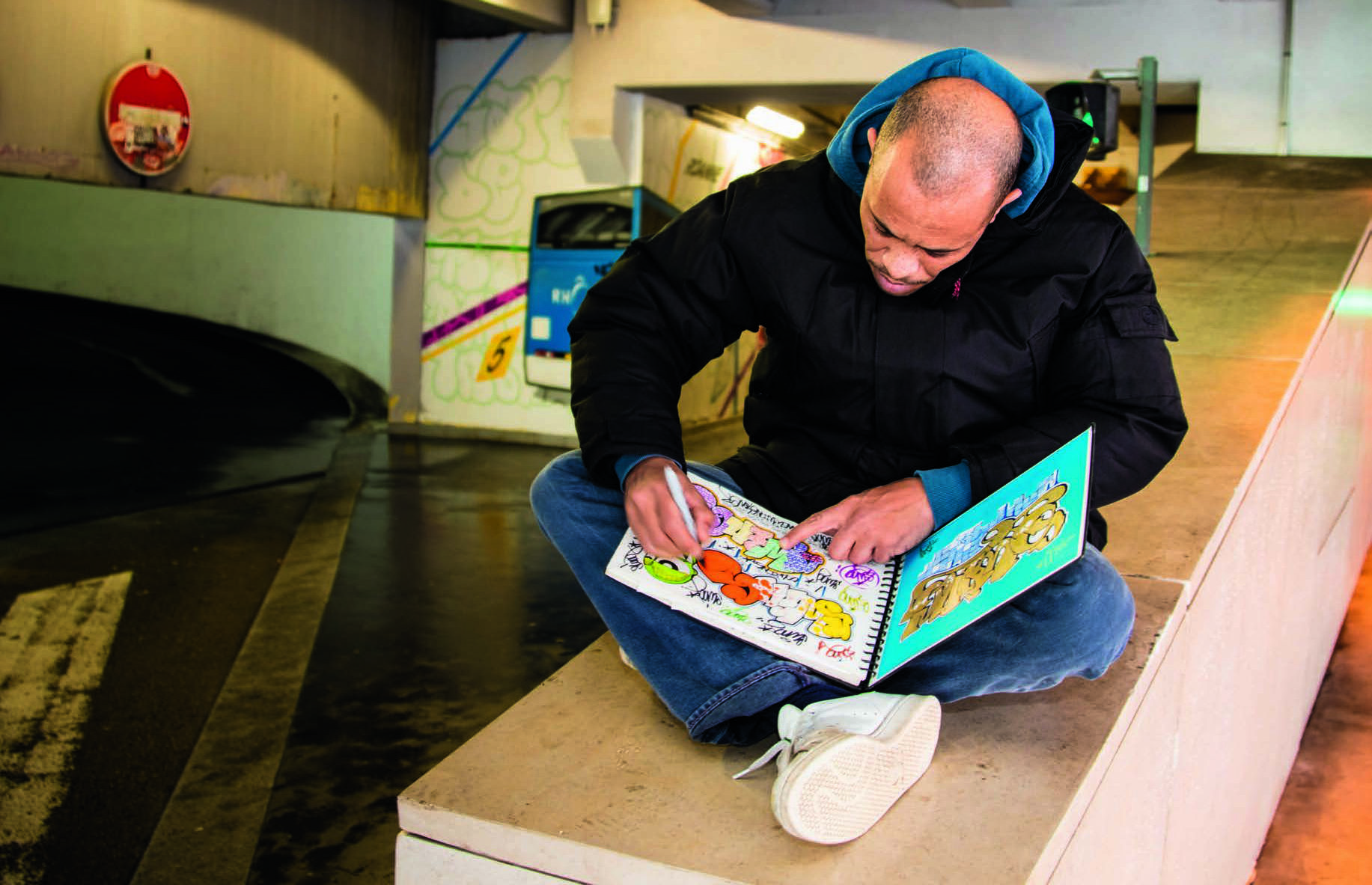
Fig. 3. Marseille artist Swing Forain.
Photo by the author.
Fig. 4. Portrait of a woman. Poster stuck to a wall. Photo by the author.
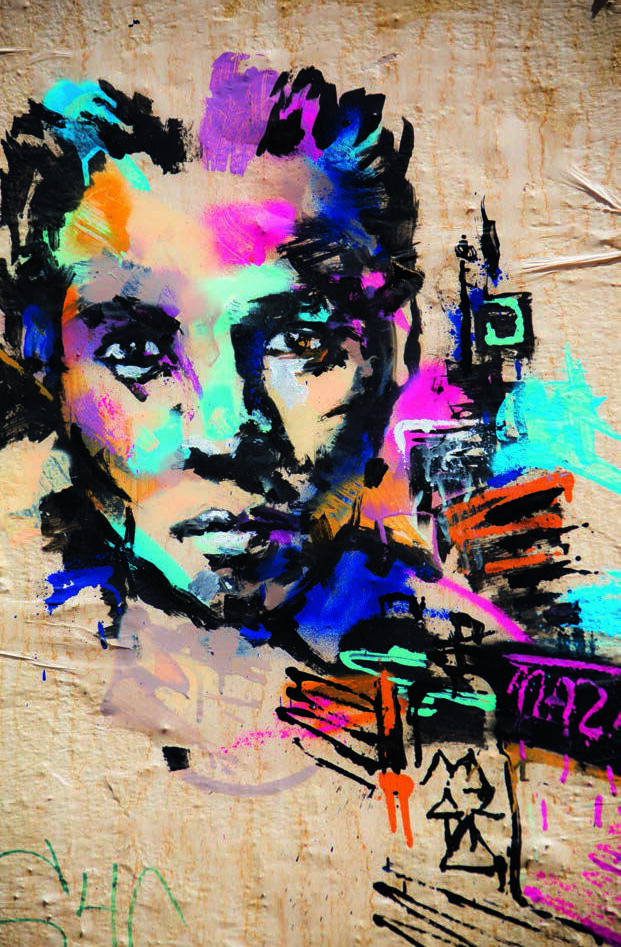
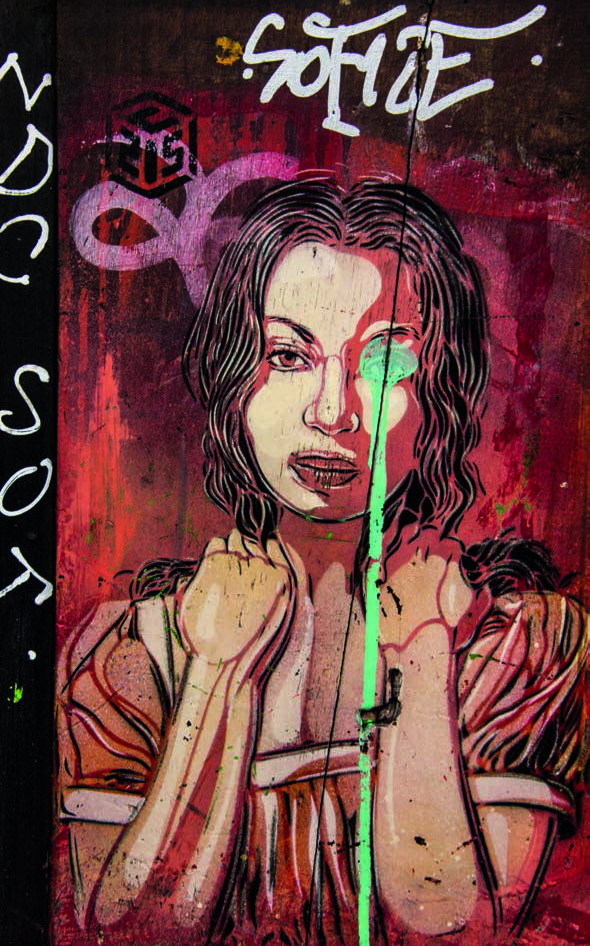
Fig. 5. Portrait of a woman. Stencilled work by the French artist Christian Guémy,
alias C215. Photo by the author.
In a rush nonetheless ...
Because the speed of execution increases the artist’s pleasure in creating. It is proof that they are in control of their gesture, their lines, the output of their aerosol cans belching their clouds of colour. That dazzling speed is the result of countless hours of work. Every artist worthy of the name, every artist worthy of the ambition to address the public without the mediation of museums, galleries and cultural institutions, has covered thousands of pages with sketches. These “black books” (fig. 3), which urban artists are so hesitant to show to non-initiates, are a key element in the powerful mythology of street art.
The perseverance to achieve mastery of their gesture distinguishes the artist from the vandal. The artist exhibits, the vandal occupies. One seduces, the other rapes.
The practice of tagging is an urban game, a frenetic competition of egos. The winners are those capable of producing as many pieces as possible, of tagging their name everywhere. Quantity trumps quality, though the lettering designed by some taggers is stunning in its force and originality.
The urban artist has no greater respect for property, but they have the modesty not to display their incompetence, their weaknesses, to the public, who have asked nothing of them. The law of street art humbles the braggarts who rush into it without having repeated their gesture a thousand times. If they make a mess, they are advised to write the word “Toy” over it. It’s just a trinket, a trifle, something without interest or importance, illegitimately occupying a space that others might have used for a stencilled work, a calligraphed flash, a collage, the moire pattern of a poster or mosaic.
Created by Swing, the figure of Bahoo – a round green face with long sharp teeth, eyelids heavy with tedium or anger – rasps a desperate new play on words on a street corner. The strange green figure materialized in just a few minutes. As for every birth, you wonder about the new-born’s gender – or genre. Is it a tag? Is it graffiti?
The difference lies in the message. A tag is a signature affixed in the public space by an individual who wants nothing other than to assert the factual reality of their existence. Graffiti is more ambitious. It aspires to be an act of rebellion. It is a harangue, a satirical tract, an ode, a poem ripping apart everyday reality with its long, multicolour perspectives.
Fig. 6. Portrait of man with cigarette. Stencilled work by the French artist Christian Guémy, alias C215. Photo by the author.
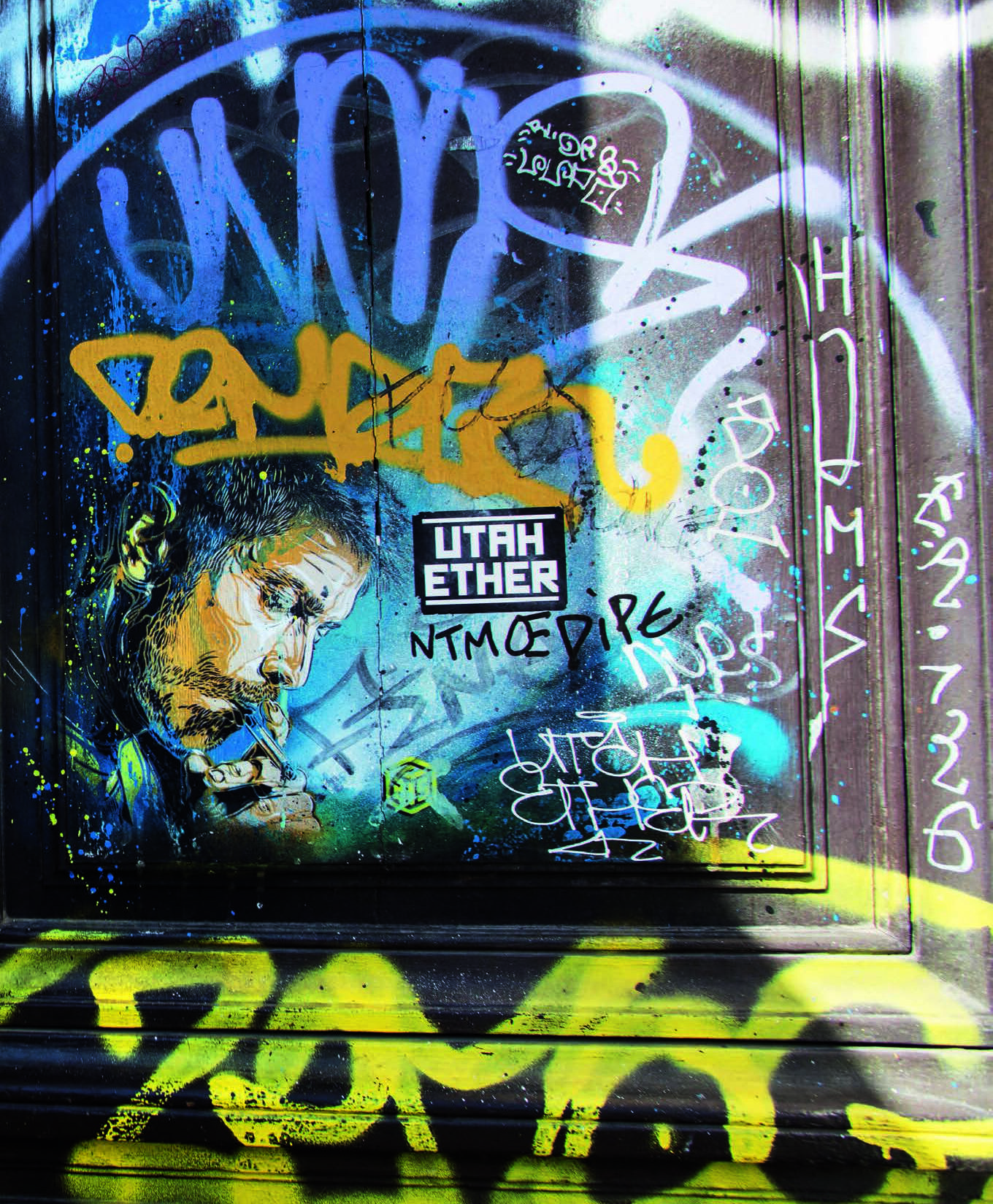
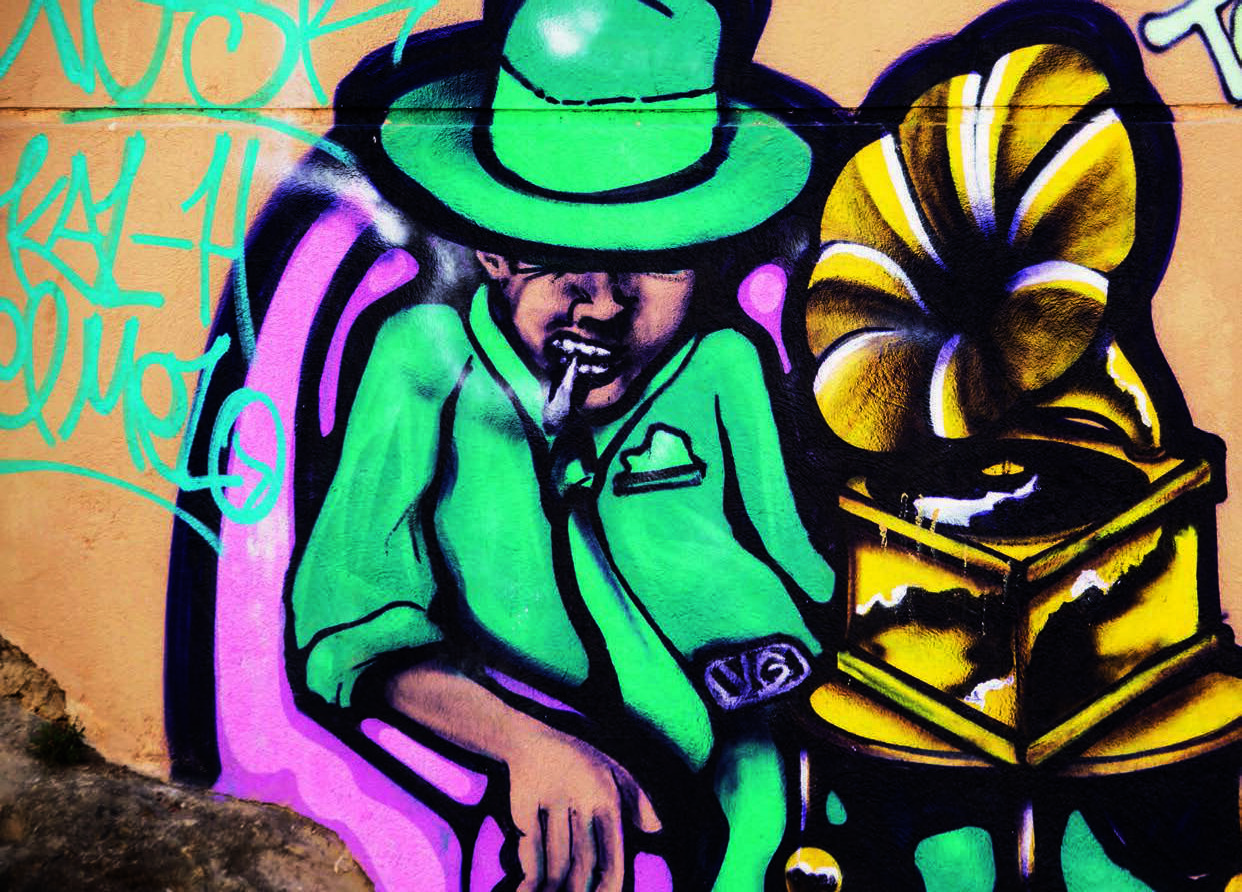
Fig. 7. Mural painting, Panier neighbourhood, celebrating the bad reputation, past and present, of the residents of the centre of the city of Marseille. Photo by the author.
Tags express a narcissistic drive. Graffiti privileges figuration and message. It is a weapon of combat, wall by wall, to re-conquer the street. Historians of the genre believe it was at the end of the last century that graffiti in its countless forms liberated itself from the control of the tag, by bearing a political message. Graffiti is a tool of non-violent urban guerrilla warfare. Hence Donna, a German street artist, shouts over and over: “We must recapture the city! It is poisoned by the daily grip of modern life, of capitalism, which subsumes everything. People have been turned into imbeciles, their differences erased – ads, TV, and the standardization of our lives have made them passive consumers. Where a well-ordered daily life once reigned, a creative chaos has emerged, a new truth from which, perhaps, something positive will come.”
Street art in its early stages designated advertising as its sworn enemy. The American artist Swoon, one of the most highly rated street artists on the market, declared twenty years ago: “I want to reveal the true nature of those misleading images that billboards force on us, because they are superficial and cruel.
I have the feeling that if I succeed in showing beautiful and real images of our own lives, without asking for anything, without pushing people to change or to buy something, then I make a little gift that can be transplanted to our everyday life. That may be utopian, but I would like to offer a moment of escape by communicating with my peers, just by sticking a piece of paper to a wall.”
That inventive and colourful wind of revolt blew over each continent. Its breath fertilized the imaginations of thousands of artists, who fought relentlessly to become every day more creative, more outstanding. Street art is one of the rare artistic movements to have taken root so widely in the world and to have touched such a large audience. In all the cities throughout the world, streets, entire neighbourhoods, have been turned into museums. Within a few years, Cours Julien in Marseille, where the creatures imagined by Swing proliferate, has become one of the meccas of street art in Europe.
But the apparent ease of the transformation seems to have tamed the artists. On the walls covered with sumptuous scribbles, it is now difficult to find the furious slogans, the tumultuous denunciations, the urgent admonitions about poverty, surveillance cameras, advertising, exploitation and the organized cretinization of the people.
Virtuosity has stifled the call for revolt. Clearly, a deal was made between those who own the street and those who want to beautify it. The authorities no longer erase, and they forget to prosecute, on the condition that everyone stop yelling. Revolt is advised to sublimate itself into a positive and trendy attitude. Spruce things up, but shut up. In Marseille as in New York, London, Paris and Sydney, artists have respected their part of that tacit contract. The street has become a museum that displays a teeming virtuosity.
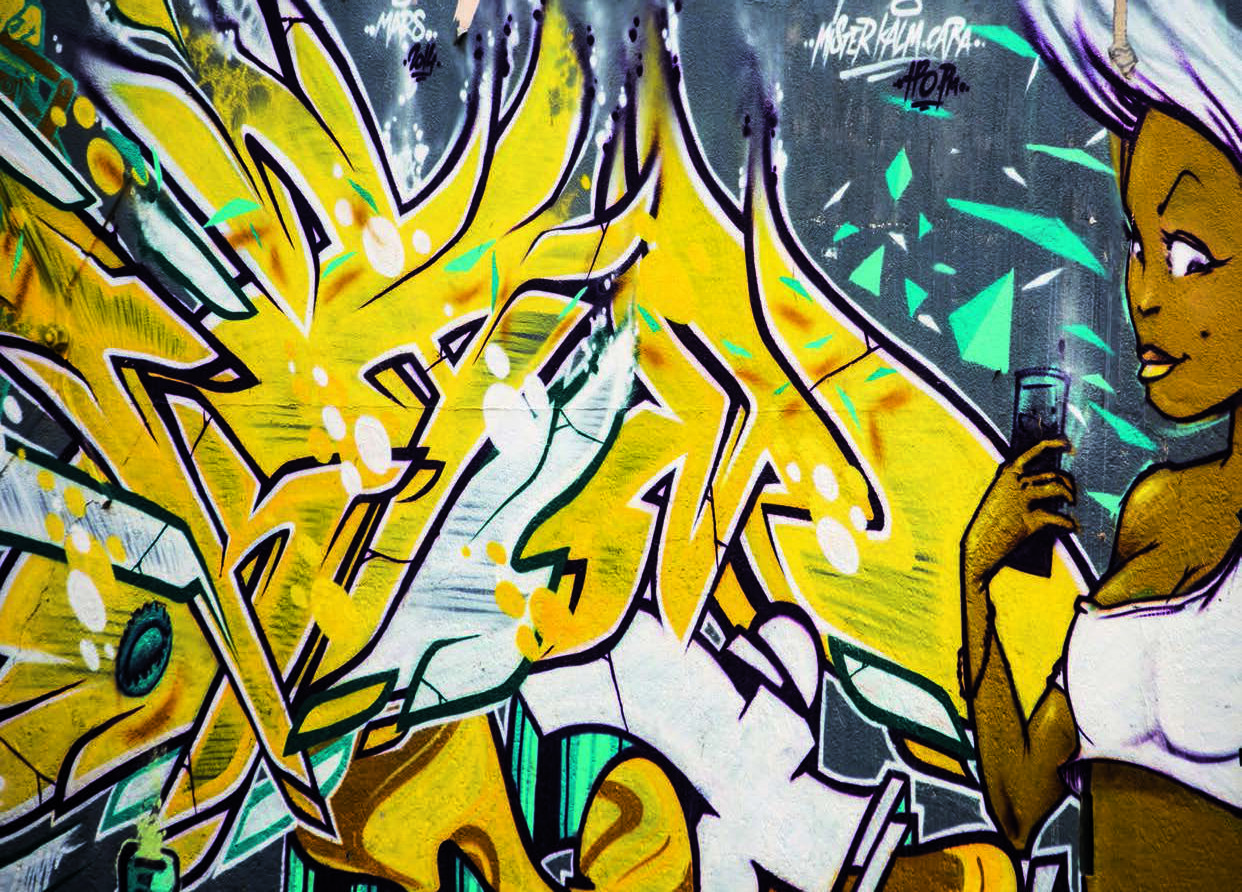
Fig. 8. Mural painting. The art of tagging has gradually become emancipated from any attempt at legibility. The artist’s signature or message is subordinated to their skill at mastering explosions of colour.
Photo by the author.
Street artists, as distinguished from taggers, are obsessed with achieving mastery over their creative gesture. Swing Forain, an artist originally from the impoverished outskirts of Paris, tirelessly practises his scales before “laying down” one of his works on a wall.
Street art is one of the rare artistic movements to have taken root so widely in the world and to have touched such a large audience.
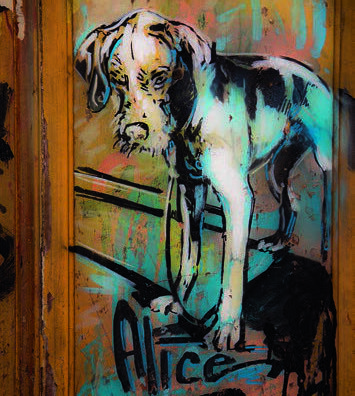
Fig. 9. Old dog. Stencil by C215. Le Cours Julien, in Marseille. Photo by the author.
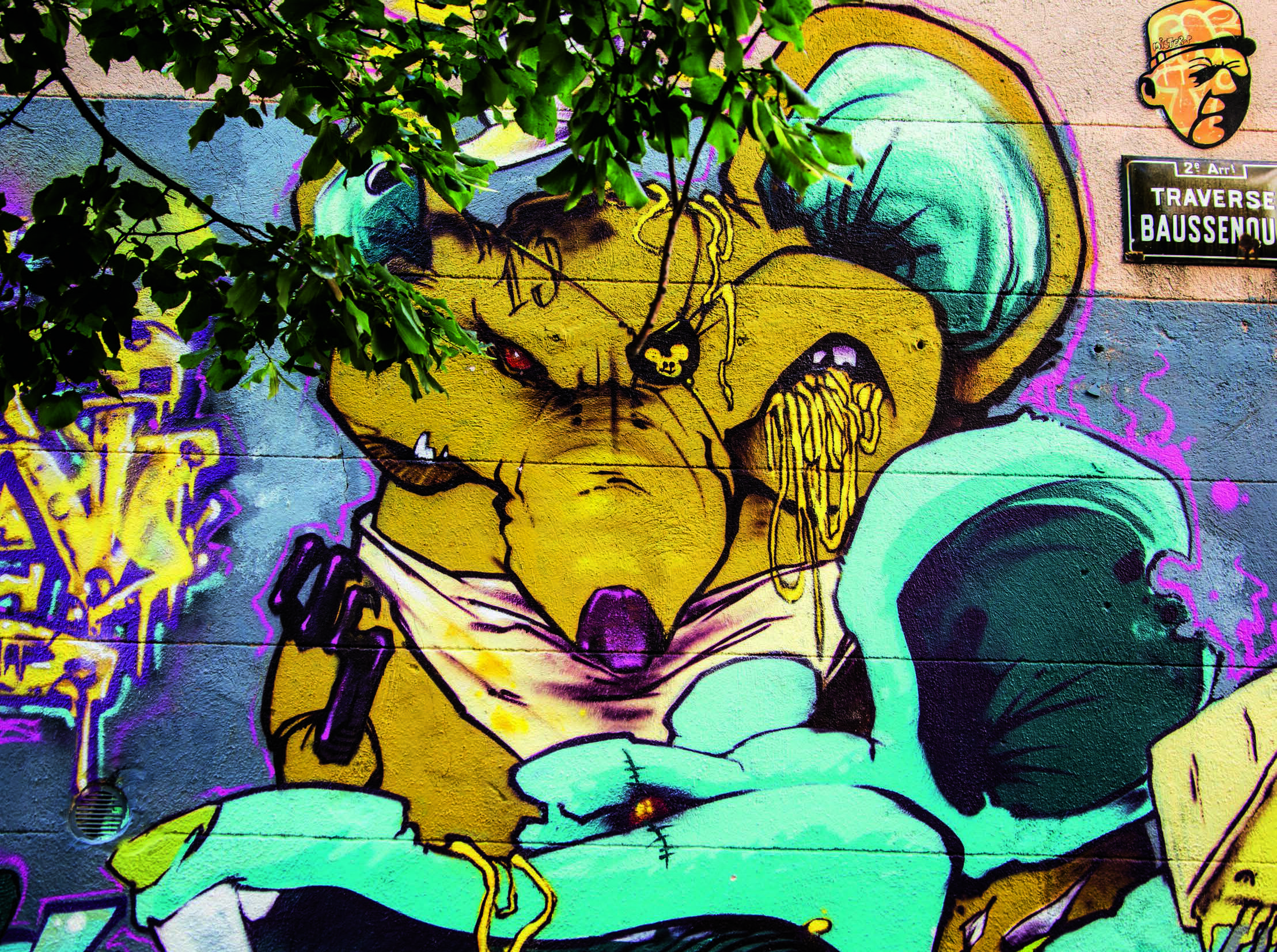
Fig. 10. Fresco with rat by an unknown artist. Le Cours Julien. Marseille. Summer 2015.
Photo by the author.
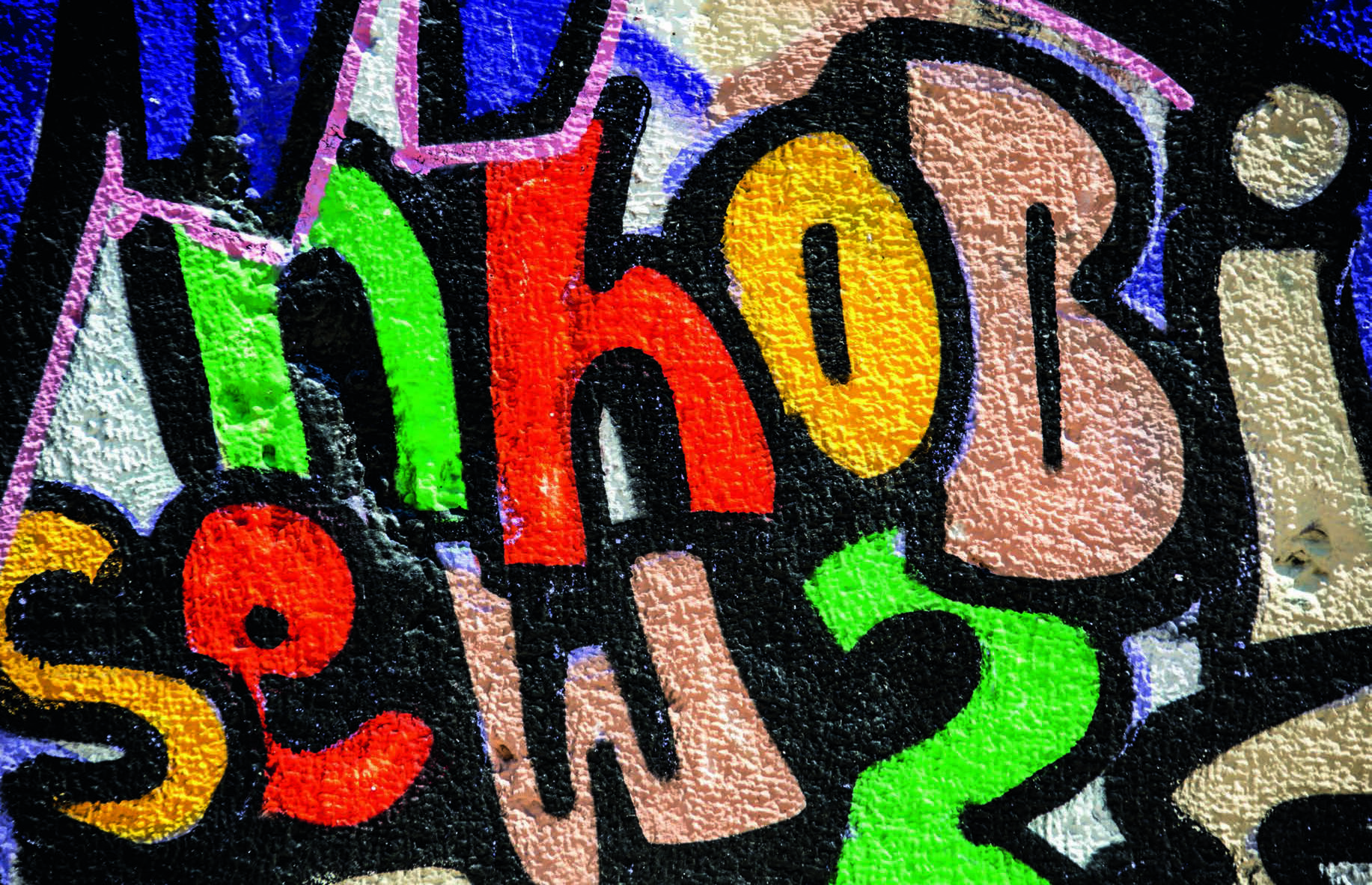
Fig. 11. Street art embraces action to retake the urban space colonized by advertising.
Photo by the author.
The farewell to revolt is a first stage in the digestion of street art by the urban authorities. The process is already so far advanced that in all the cities that were centres of urban art, these works have become factors in the gentrification of neighbourhoods. The promoters who so vehemently called on the police to neutralize the aerosol and stencil guerrillas now mandate artists to produce frescoes that will contribute not a little to the value of their real estate development projects. Advertisers, whom the street art movement had named its worst enemies, now exploit this fabulous lode of beauty. Banks are no longer hesitant to exhibit fragments of frescoes painted on the fences at work sites. Street art sparks enthusiasm, and there is no end of assessments as to its potential for institutional and commercial communication.
In that mad rush toward urban art, galleries and museums still look like latecomers. The art market has difficulty assessing the works, displaying them, certifying them and distributing them. The best artists, the intransigent Banksy in the lead, persist in their obsession with anonymity, showing contempt for the anguish of dealers who take great risks marketing works that anyone at all could claim as their own – or disavow.
That anonymity, so fiercely defended by some, is in the first place simply a precautionary measure. In not claiming their works, street artists hope for the dismissal of countless complaints, made against them at a time when promoters did not pray that a Banksy, Swoon, Vhils or a few dozen other geniuses of urban art would come put a work on one of their walls. It will take some time before the justice system falls in step with public tastes and urban developers’ political savvy.
In November 2015 the French artist Invaders, whose mosaics now command between 200,000 and 300,000 euros, was arrested by the New York police for having defaced a wall without authorization, despite being a global brand.
Yet the urban artists’ search for anonymity cannot be reduced to their hope of seeing the charges against them dropped, for lack of a defendant to drag before the judge. The first commandment of street art is the primacy of the work over the artist. The genius, however insolent they may be, must not be an obstacle between the object exhibited in the street and its audience. The high priests of street art abominate the idea that artists might be creatures aloof from teeming humanity, which is left behind by obscure concepts skilfully elaborated by fashionable art dealers and their battalions of press attachés. A masterpiece of street art must exert its force as is, by its quality and the relevance of its interaction with its urban and human environment.
The art market is going all out to establish a framework that would allow it to sell the works of the best representatives of street art at their true value. Banksy, whose works are at present the most highly rated, is delighted, lurking in an anonymity scientifically organized to dynamite all attempts at organizing the market. The English artist slashes prices, selling off for a pittance works that gallery owners are dying to be able to market for small fortunes. Severalton walls bearing stencils by Banksy have been dismantled in Palestine and England, to be sold to enthusiastic collectors. In reaction, Banksy mars the pleasure of his wealthiest aficionados by keeping alive a painful ambiguity about the paternity of their acquisitions.
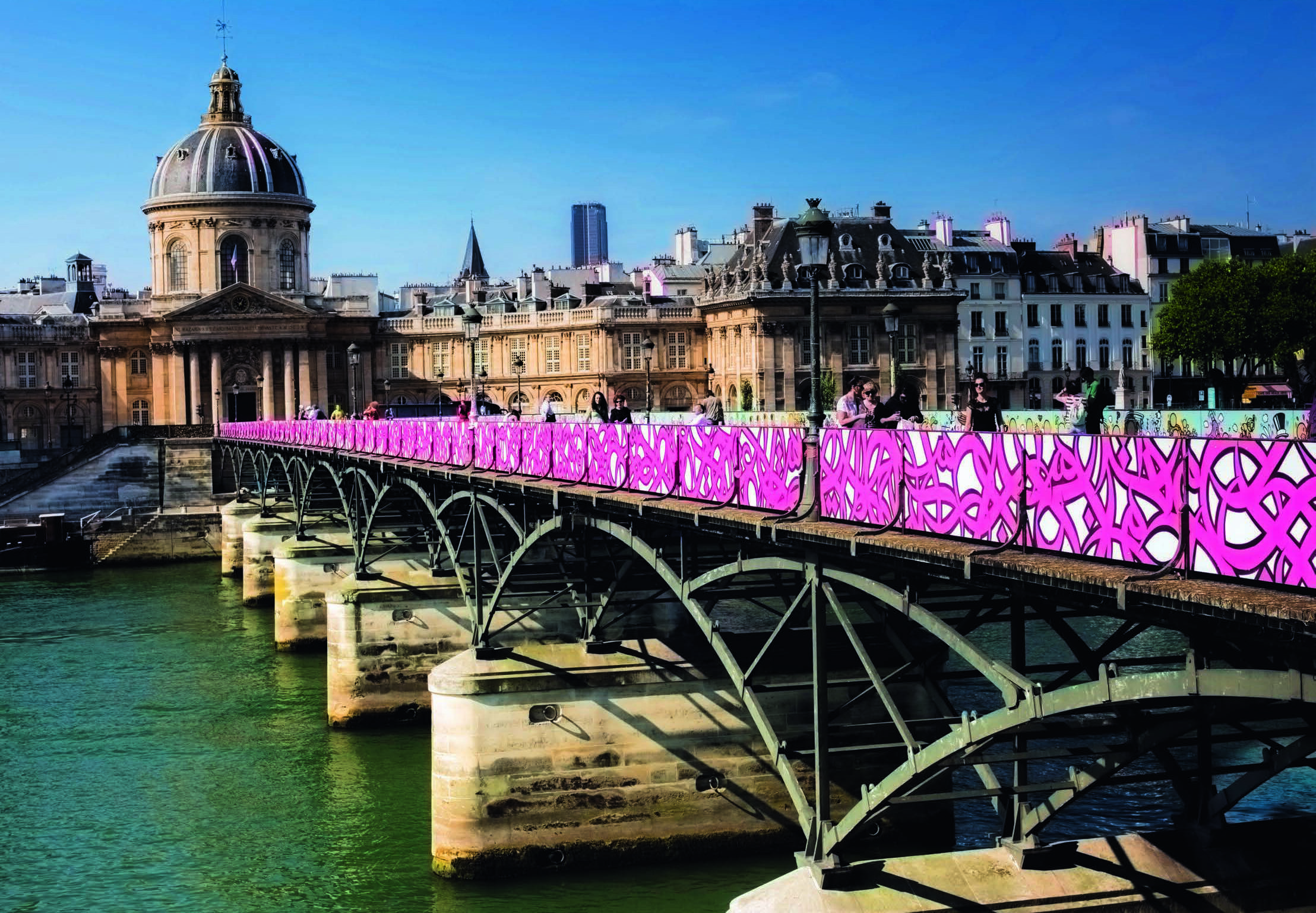
Fig. 12 and 13. In offering street artists the Pont des Arts, below the windows of the Louvre, Paris acknowledged the victory of the visual revolution begun fifty years ago in the black ghettoes of American cities. Photo by the author.
"Genre is not destabilizing enough to discourage the market. Arnaud Oliveux, an auctioneer and specialist in the genre, predicts that “street art has entered a new era. That field is in great part the future of contemporary art!”
Street art or gallery art: Which will impose its law? Will street art, in becoming speculative, give up being the marvellous homeless soul that coloured capitals and industrial wastelands? Or will contemporary art go slumming?
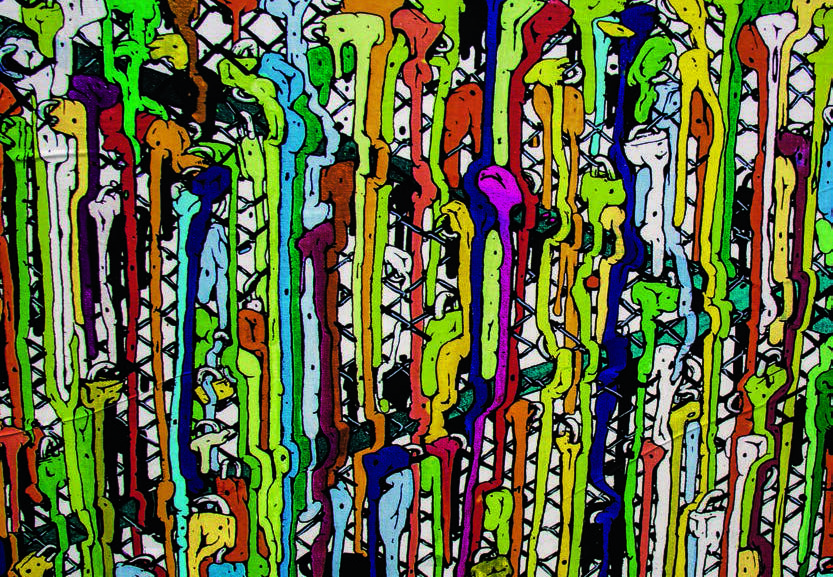
Fig. 13.
Biography
Jean-Marie Hosatte is a journalist, photographer and French documentary filmmaker who has lived in Jerusalem for the last ten years. A historian and geographer by training, he has worked for the major French magazines (Le Point, Paris-Match, Beaux-Arts Magazine, Charlie Hebdo, VSD). He has directed about fifty television reports and documentaries, several of which have won awards. He regularly covers conflict zones, but his passion for the arts, literature and archaeology impels him to devote more and more of his time to reporting in those fields. He is the author of several books, including Jérusalem ou la colère de Dieu, published under his pen name, Ugo Rankl.
This article would not have been possible without the guidance of Ingrid Furin who introduced the author to Street Art’s extraordinary wealth.